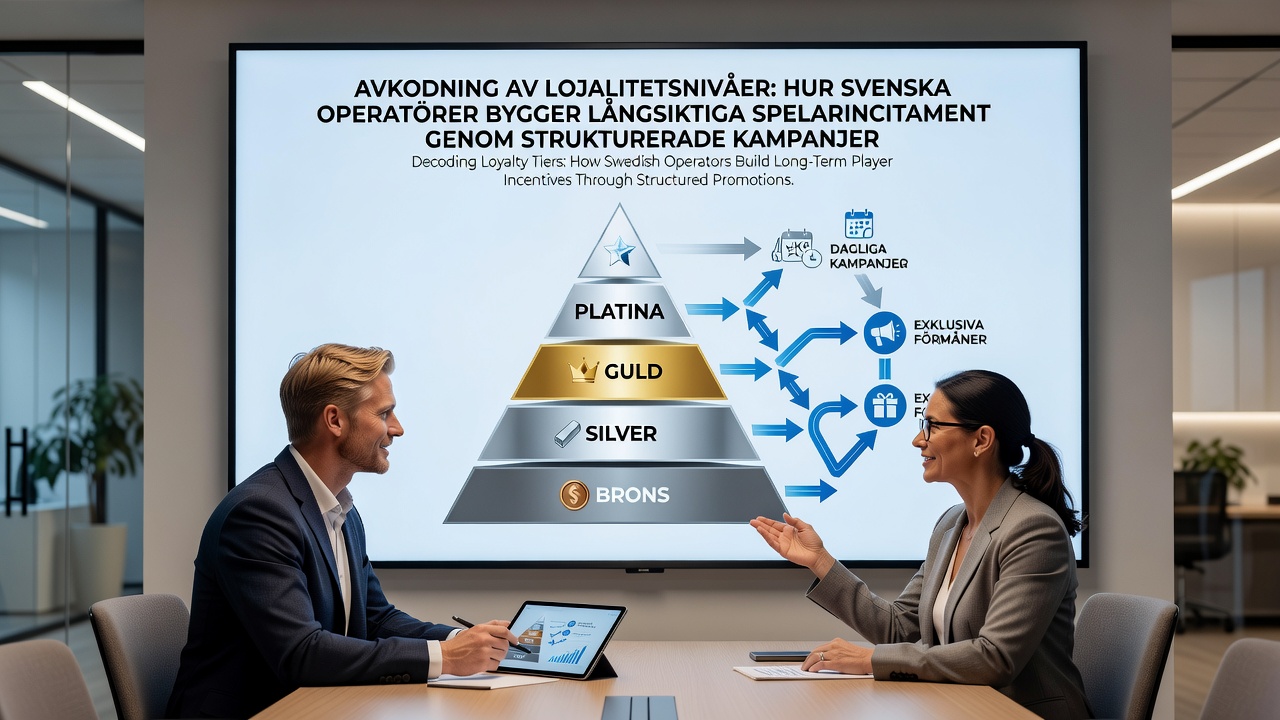
Decoding Loyalty Tiers: How Swedish Operators Build Long-Term Player Incentives Through Structured Promotions
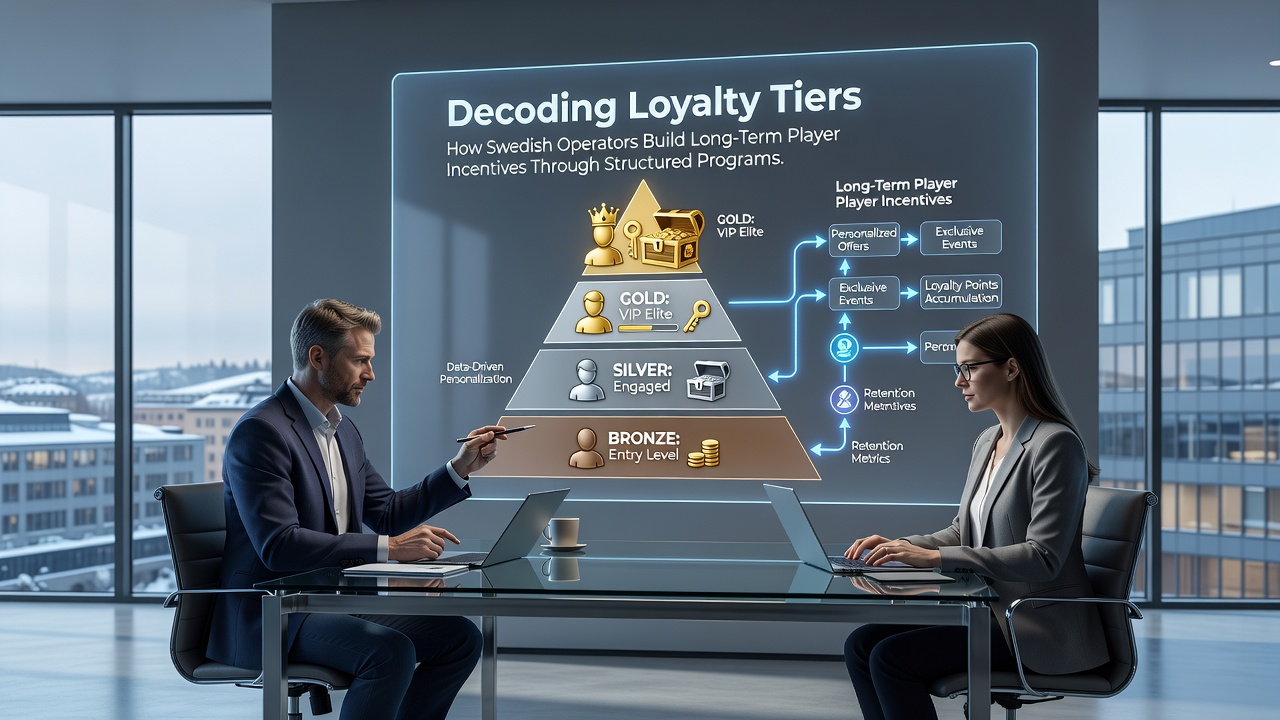
Swedish gambling operators have developed loyalty tier systems that tie player activity directly to escalating reward structures, and these frameworks operate under the oversight of Spelinspektionen while aligning with broader European standards for fair play and consumer protection. Data from licensed platforms shows that tier progression typically depends on metrics such as total deposits, wagering volume, and session frequency, which operators convert into points that unlock higher benefit levels. Those who track these systems note that bronze, silver, gold, and platinum designations create clear pathways for participants who maintain consistent engagement over months rather than isolated sessions.
Regulatory Context Shaping Tier Design
Swedish law requires all promotions and loyalty mechanics to remain transparent, with operators publishing clear rules on how points accumulate and what each tier delivers in practical terms. This approach prevents hidden conditions that could mislead participants, and it aligns with the market's emphasis on responsible gambling tools. Observers note that operators must also integrate self-exclusion features so that rewards do not continue to accrue for individuals who have opted out, which maintains compliance while still allowing active players to benefit from structured incentives. As September 2026 approaches, updated reporting requirements may require operators to disclose tier participation statistics in greater detail, giving regulators more visibility into how these programs influence long-term behavior across the licensed market.
Mechanics of Point Accumulation and Tier Progression
Most Swedish platforms calculate points through a combination of deposit amounts and actual playthrough, with multipliers sometimes applied during promotional windows to accelerate movement between tiers. A player who deposits regularly and meets minimum activity thresholds can advance from entry-level benefits to mid-tier perks within three to six months, while higher tiers often demand sustained volume over a full calendar year. Research indicates that operators differentiate rewards by tier, offering cashback percentages that rise with status, exclusive tournament entries, and personalized free spin packages that scale according to historical activity. These structures encourage continued participation because each new level delivers measurable improvements in value rather than one-off bonuses that reset after a single claim.
Integration of Promotions Across Tier Levels
Structured promotions form the core of how operators convert casual players into long-term participants, and they appear at every tier rather than only at the top. Entry-level promotions might include deposit matches and basic free spins, while silver and gold tiers unlock higher match percentages, lower wagering requirements, and access to loyalty-specific events. Platinum participants often receive invitations to invitation-only promotions that feature higher prize pools or reduced house edges on selected games. Data shows that operators time these offers to coincide with tier review periods, which creates natural moments for players to evaluate whether their current activity level justifies continued engagement or a push toward the next threshold.
Retention Outcomes and Player Behavior Patterns
Studies from Nordic markets reveal that participants enrolled in tiered loyalty programs demonstrate longer average account lifespans compared with those who engage only through standard welcome offers. The difference stems from the progressive nature of the rewards, which operators adjust based on individual play history rather than generic campaigns. Those who monitor retention metrics report that mid-tier players often receive targeted communications highlighting exactly how many points separate them from the next benefit level, which sustains motivation without violating rules around responsible messaging. External analysis from the European Gaming and Betting Association suggests that similar tier structures across regulated European markets produce comparable retention patterns when operators maintain consistent point valuation and clear redemption processes.
Future Adjustments Expected by September 2026
Industry reports indicate that several major Swedish operators plan to refine their tier algorithms before September 2026, incorporating more granular activity tracking that accounts for game type preferences and session duration. These changes aim to deliver rewards that feel more personalized while still satisfying regulatory demands for transparency. Observers expect that any new mechanics will continue to emphasize long-term engagement over short bursts of activity, which has been the consistent direction since the re-regulated market opened. Operators who already publish tier statistics may expand those disclosures to include average time spent at each level, giving players and regulators clearer benchmarks for evaluating program fairness.
Conclusion
Swedish loyalty tier systems function as interconnected frameworks where regulatory compliance, point mechanics, and promotional timing work together to encourage sustained participation. The data available through licensed operators shows measurable differences in retention between tiered and non-tiered players, and upcoming reporting changes around September 2026 may provide even more detailed insight into how these structures evolve. Operators continue to refine their approaches within the existing legal boundaries, focusing on transparent rules and progressive benefits that reward consistent activity across multiple months or years.