
Regulatory Nuances Shaping Reward Distribution in Licensed Nordic Betting Operations
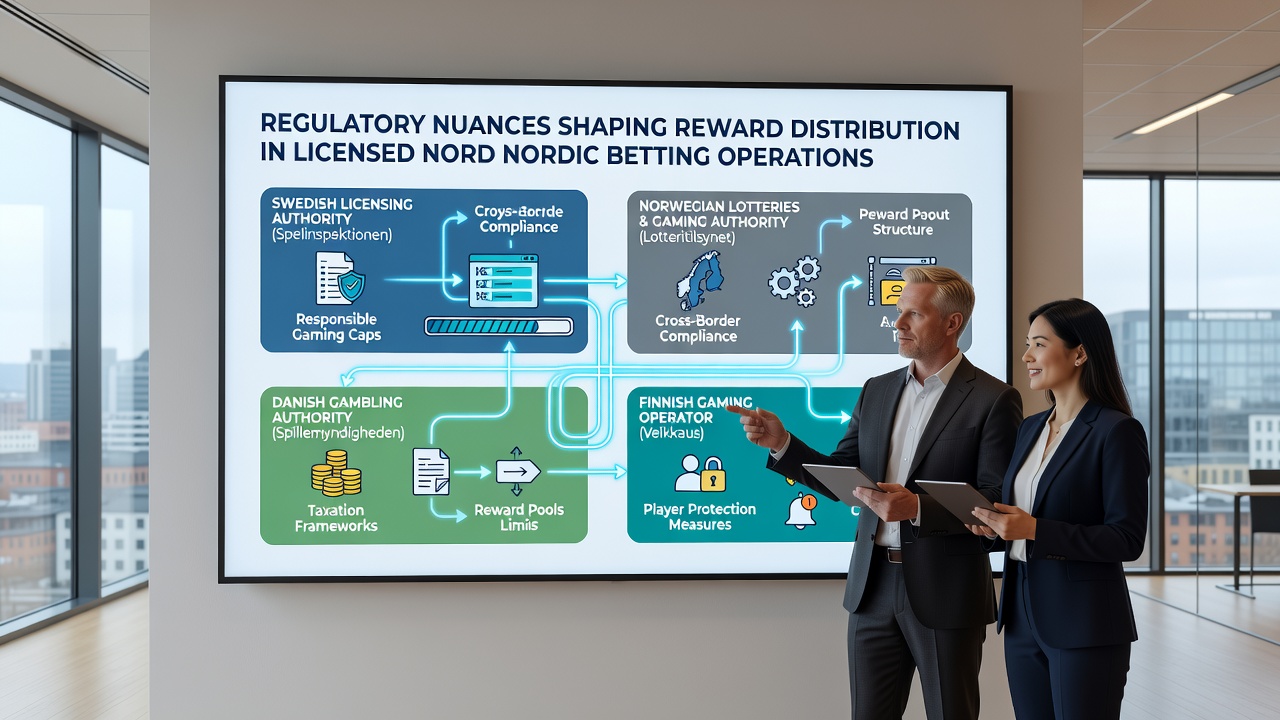
Regulatory frameworks across the Nordic region create distinct pathways for how licensed operators distribute rewards to players, and these rules differ markedly from one jurisdiction to another even though the countries share cultural similarities. Sweden maintains a licensing system under Spelinspektionen that ties bonus structures to strict turnover requirements while Norway channels all regulated activity through state monopolies that limit promotional flexibility. Denmark operates a hybrid model where the Danish Gambling Authority enforces detailed reporting on reward allocation yet permits operators wider latitude on campaign design compared with its neighbors.
Tax Treatment and Its Direct Effect on Reward Payouts
Tax rules reshape the final amounts players receive because operators must factor in withholding obligations before any reward reaches an account. In Sweden the operator pays the tax on player winnings above certain thresholds, which means reward calculations already embed this cost and reduce the net sum transferred. Norwegian rules route all activity through Norsk Tipping and similar entities where tax is settled at source, so reward distribution follows fixed formulas that leave little room for operator discretion. Data from the Norwegian Directorate for Gambling and Foundation shows these pre-set formulas have remained stable through multiple review cycles, producing predictable but capped reward levels for participants.
Cross-Border Player Movement and Reward Eligibility
Players who move between Nordic countries encounter eligibility restrictions that regulators enforce through license conditions. A Swedish license holder cannot extend a reward offer to a Norwegian resident without triggering additional compliance checks because Norway prohibits foreign operators from offering promotions inside its borders. Danish rules require operators to verify residency at the moment of reward claim, and any mismatch blocks the distribution until documentation is updated. Observers note that these residency gates create administrative layers that delay reward crediting by several days when players relocate within the region.
September 2026 Updates and Their Projected Reach
Amendments scheduled for September 2026 in both Sweden and Denmark introduce new caps on the aggregate value of rewards an operator may distribute to a single player within a calendar month. The changes require real-time reporting to the respective authorities so that cumulative totals stay within the new ceilings. Finnish authorities have signaled alignment with similar reporting standards although their timeline extends into 2027, which means operators active across multiple markets must maintain separate tracking systems for each jurisdiction. Researchers at the Nordic Centre for Welfare and Social Research have documented how such staggered implementation dates increase the complexity of reward ledgers that span more than one country.
Anti-Money Laundering Controls That Filter Reward Flows
AML directives require operators to perform enhanced due diligence before releasing rewards above defined thresholds, and these checks interrupt automatic distribution processes. Swedish operators must file suspicious activity reports within 24 hours when reward patterns deviate from established player profiles, which can freeze pending credits until clearance arrives. Danish regulations tie reward release to completed source-of-funds verification, and any gap in documentation halts the transfer. The result is a two-stage process where the initial reward calculation occurs quickly yet the actual credit to the player account waits for regulatory sign-off.
Player Protection Mechanisms and Reward Withholding
Self-exclusion registers operate on a shared technical platform across several Nordic countries, and any match automatically prevents reward distribution even if the player has an active balance. Sweden’s Spelpaus system feeds directly into operator databases so that reward engines query the register before every payout. Norwegian rules embed similar checks within the monopoly operator’s own systems, producing the same blocking effect. These automated pauses protect players yet they also mean that accumulated rewards remain in limbo until the exclusion period ends or the player requests removal from the register through official channels.
Conclusion
The interplay between tax obligations, residency verification, AML screening, and scheduled 2026 rule changes produces a reward distribution environment that varies sharply across Nordic licensed markets. Operators must maintain jurisdiction-specific engines that recalculate offers in real time while satisfying each authority’s reporting demands. Players experience these nuances as differences in timing, net amounts, and eligibility that reflect the underlying regulatory architecture rather than operator preference. Continued monitoring of the September 2026 milestones will reveal whether further harmonization emerges or whether the current patchwork of rules persists.